
An innovative trial in Bristol making charging electric vehicles at home easier has been criticised for costing too much. Digging a gully in the pavement to pass a cable through from a house to an on-street parking space is expected to cost residents £2,000 to £6,000.
Bristol City Council is launching the gully charging trial to encourage more drivers without driveways to switch to electric vehicles. EVs pollute the air and contribute to climate change less than petrol or diesel cars, but the cost and difficulty of charging puts many drivers off the switch.
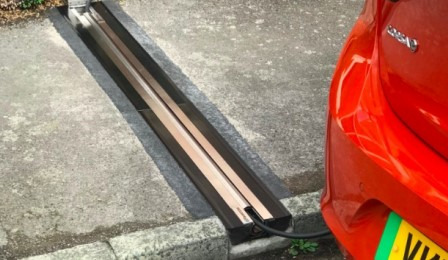
A common problem faced by people who don’t have a driveway outside their house is running a cable across the pavement. This creates a trip hazard and is technically illegal, although many drivers do so anyway. The gully charging trial aims to get around this problem — but at a price.
The gully is a small trench running along the pavement in which the cable sits flush, so there is no trip hazard. An update was given to councillors on the environment policy committee in May.
Green Councillor James Crawford said: “I have had some feedback that the cost of that seems relatively high. EVs are relatively expensive anyway, so any way that we can make it cheaper and easier for residents to decarbonise would be really beneficial.”
The council is taking applications from people who want a gully dug on the pavement outside their house. Initial estimates range from £2,000 to £6,000, which residents will have to pay, to get the gully. However, for this amount of money, you could buy both a second-hand Volkswagen Polo and a second-hand Ford Fiesta, both petrol cars.
Sam Robinson, the council’s head of City Leap client and energy service, said: “I saw £2,000 to £6,000 quoted, which is hedging our bets a bit. We’ve had, I think, over 100 expressions of interest, but the development work hasn’t been done yet to see what that looks like on the ground — hence the quite broad range that’s been quoted.
“For context, my charger at home was £1,200 on the drive. So if you’re at the £2,000 end, you’re not a million miles away. But clearly if you’re at the £6,000 end it’s a big gap and the payback period is going to be challenging.”
The actual costs for residents will become clearer once the team has worked through the applications. From August until June next year, the gullies will be installed in batches. Then from July next year until August 2027, the council will monitor and evaluate the project.
Many houses in Bristol are part of Victorian terraces with no driveways and high demand for parking spaces. Another problem with the trial that has been raised is that even if you pay to have a gully installed outside your house, you cannot reserve the parking space. Public chargers meanwhile have been criticised as expensive and not always well maintained.
By Alex Seabrook, Local Democracy Reporting Service