
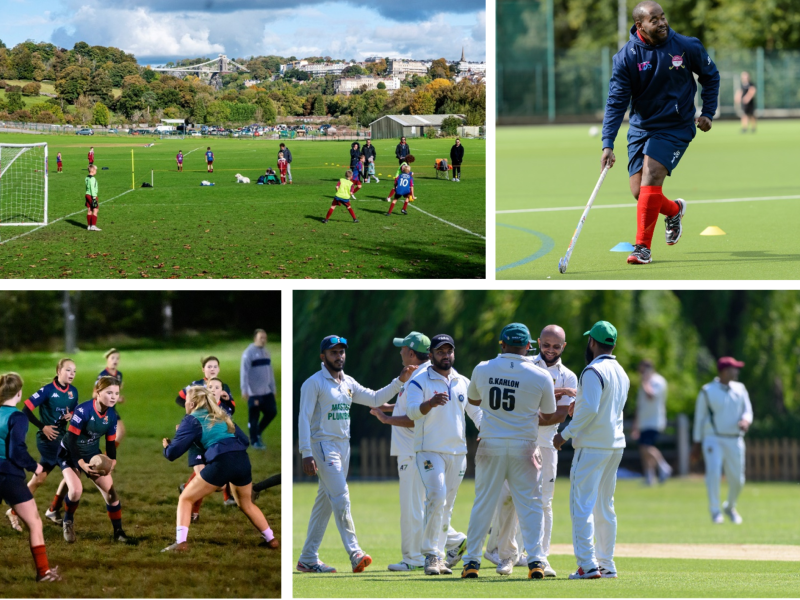
USERS are being invited to give their views on Bristol’s draft Playing Pitch Strategy (PPS), a key document designed to protect playing pitch spaces and improve provision for the future.
The draft focuses primarily on the four main pitch sports—football, rugby, cricket, and hockey—while also considering lesser played sports. The council says the strategy sets out an evidence-based approach to planning, protecting, and enhancing pitch provision across the city. It aims to ensure that Bristol has the right combination of pitches and facilities to meet the needs of a growing population, both now and in the years ahead.
If approved, the strategy aims to help improve access to sport, support community wellbeing, and strengthen the city’s ability to attract investment and funding.
Playing pitches are vital spaces for sport and physical activity, supporting health, inclusion, and community life. However, Bristol faces significant challenges in meeting current and future demand.
The draft strategy identifies that the city does not have a surplus of playing fields and that all existing sites should be protected wherever possible. Where protection is not feasible, any changes must comply with Sport England’s strict exceptions policy, ensuring that the loss of a pitch is only permitted under exceptional circumstances.
The strategy has been developed using Sport England’s nationally recognised methodology and overseen by a steering group including Sport England, national governing bodies for sport, and representatives from public health, planning, and parks services.It provides a framework for protecting and improving facilities in the most cost-effective way, ensuring pitches are flexible spaces that can serve multiple sports and age groups. Collaboration between sports is highlighted as essential to making the best use of limited space.
The strategy also sets out city-wide priorities and sport-specific recommendations, supported by a Strategic Priorities Action Plan. This plan identifies the actions likely to have the greatest impact during the first phase of implementation, with a more detailed plan to follow once the strategy is adopted.
The consultation will run until midnight on 26 January. To take part and view the draft, visit the council website.